Blog · Water
South Africa’s dams are fuller than a year ago, except along two coasts
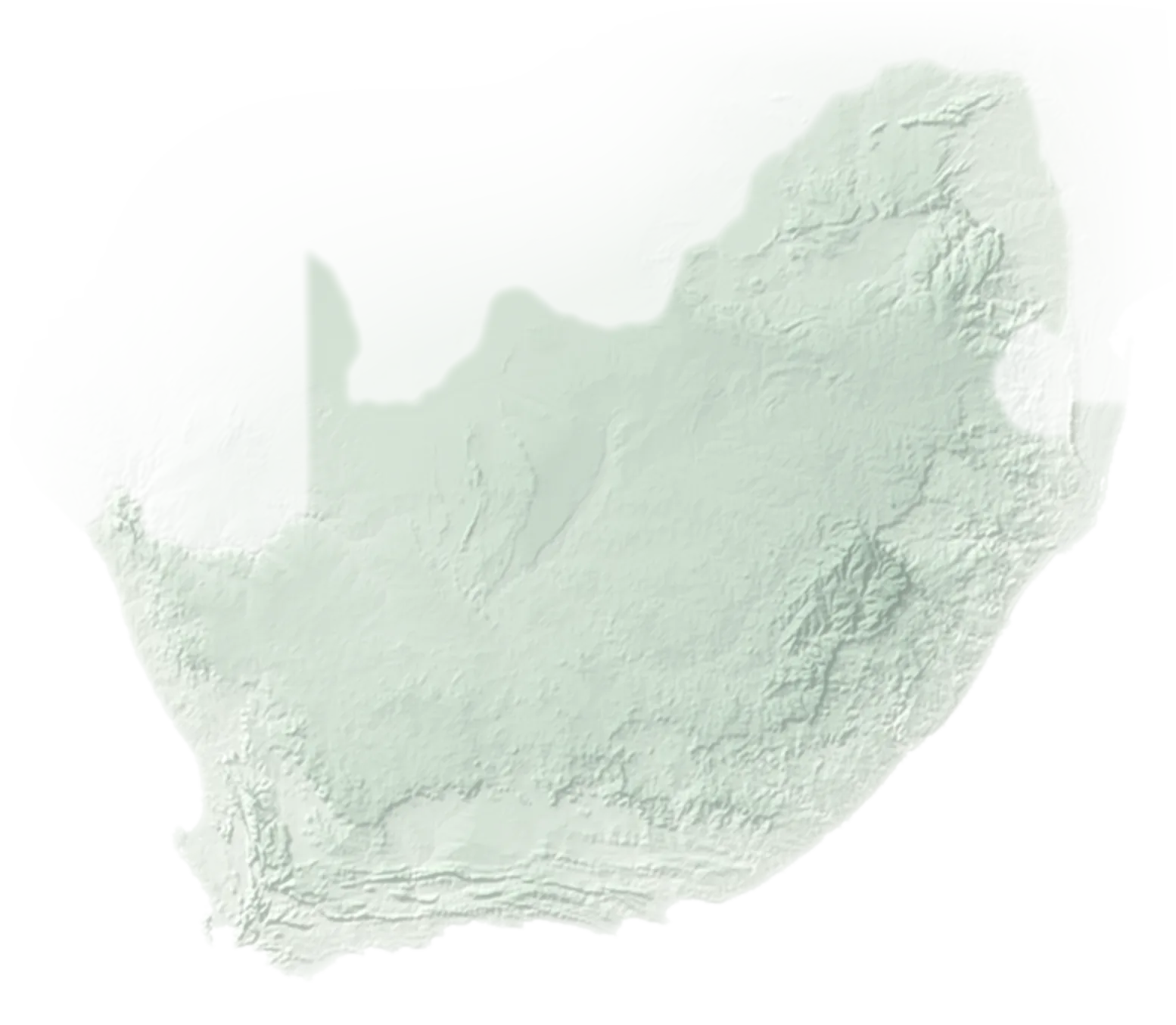
Storage is up across the country, most of all in the Eastern Cape and Limpopo. KwaZulu-Natal and the Western Cape are going the other way.
· Unmapped Labs
The Department of Water and Sanitation's weekly report of 26 October 2026 covers 224 dams in South Africa, able to hold 29.4 billion cubic metres between them. Together they're 96.0% full. A year ago they were at 92.3%.
- 96.0%Full, across 224 dams
- +3.7Points on a year ago
- 1,094Million cubic metres more water stored
Every dam in South Africa, against a year ago
That extra 1,094 million cubic metres would fill Theewaterskloof, Cape Town's biggest dam, 2.3 times over. 53% of it is in just three dams: Gariep (94.7% to 100.6%), Middel-Letaba (5.3% to 95.4%), Vanderkloof (95.3% to 99.7%). Gariep Dam, the country's largest, is at 100.6%, and the Vaal Dam at 106.1% is over its full supply level. In all, 171 of the 224 dams are fuller than a year ago, and 75 are above full supply.
The biggest changes in water stored, against a year ago
Show the numbers
| Gariep, Free State | +289 million m³ |
|---|---|
| Middel-Letaba, Limpopo | +155 million m³ |
| Vanderkloof, Free State | +138 million m³ |
| Vaal, Free State | +120 million m³ |
| Lubisi, Eastern Cape | +72 million m³ |
| Impofu, Eastern Cape | +56 million m³ |
| Albert Falls, KwaZulu-Natal | −26 million m³ |
| Theewaterskloof, Western Cape | −42 million m³ |
| Voelvlei, Western Cape | −68 million m³ |
| Pongolapoort, KwaZulu-Natal | −237 million m³ |
The big recoveries: the Eastern Cape and Limpopo
The largest rises are in two provinces that started the year low. The Eastern Cape's 47 dams went from 76.6% to 94.1%, and Limpopo's 29 from 80.3% to 97.2%. The biggest single turnaround is in Limpopo: Middel-Letaba Dam, which was at 5.3% a year ago, is at 95.4%. Seven of the nine provinces are now above 90%.
Dam storage by province, 26 October 2026, against a year earlier
Show the numbers
| This week | A year earlier | Change (points) | |
|---|---|---|---|
| North West | 100.7% | 89.9% | +10.8 |
| Free State | 100.3% | 96.3% | +3.9 |
| Gauteng | 99.0% | 99.9% | −0.9 |
| Mpumalanga | 97.6% | 92.6% | +5.0 |
| Limpopo | 97.2% | 80.3% | +16.9 |
| Northern Cape | 97.0% | 84.9% | +12.1 |
| Eastern Cape | 94.1% | 76.6% | +17.5 |
| KwaZulu-Natal | 87.5% | 93.3% | −5.8 |
| Western Cape | 79.6% | 81.0% | −1.4 |
Where it's going the other way
KwaZulu-Natal has the clearest fall: 87.5% against 93.3% a year ago, with 13 of its 19 dams lower than they were. The biggest ones show it: Pongolapoort (92.8% to 82.9%), Goedertrouw (95.0% to 89.3%), Albert Falls (93.6% to 84.6%).
The Western Cape is down too, at 79.6% against 81.0%, with 12 of its 47 dams lower. Theewaterskloof is at 72.9%, down from 81.7% at this time last year. The province's dams fill in its winter rains and are usually near their highest by now, so it goes into summer with less in store than it did last year.
Gauteng's own five dams are small, holding 128 million cubic metres between them, and at 99.0% against 99.9% they're practically unchanged.
Next door, in Lesotho
The two Lesotho Highlands dams in the report, Katse and Mohale, aren't in the South African totals above. Katse is at 86.5% (97.3% a year ago) and Mohale at 101.9% (90.2%).
How we worked it out
Province and national figures weight each dam's level by its full supply capacity, the way DWS totals its own tables, and our provincial totals agree with DWS's. Seven dams carry DWS's latest available reading rather than this week's; we've kept them in, as DWS does. Every dam, every week, is in our dam levels dataset, with last week's and last year's levels beside this week's.